Home Remedies for Earring Allergies: Recognising the Causes and Symptoms of Metal Sensitivity
For countless individuals who love adorning themselves with jewellery, the simple act of wearing earrings can sometimes lead to unexpected discomfort. Rather than enhancing one's appearance, certain pieces trigger irritating reactions that can make the ear area red, itchy, and sore. These responses are often the result of metal sensitivities, which develop when the body reacts to specific materials found in earrings. Understanding these sensitivities and recognising their symptoms is essential for anyone who experiences discomfort, as well as for those who wish to prevent future issues. By identifying the culprits behind these reactions and learning about suitable alternatives, it becomes possible to enjoy wearing earrings without the worry of allergic flare-ups.
- Metal sensitivities occur when the immune system misidentifies specific metals in jewellery as harmful, leading to skin inflammation and irritation.
- Nickel is the primary cause of contact dermatitis in earrings due to its widespread use in inexpensive manufacturing.
- In addition to nickel, other metals like cobalt and copper can trigger allergic reactions, sometimes even in high-end jewellery containing metal alloys.
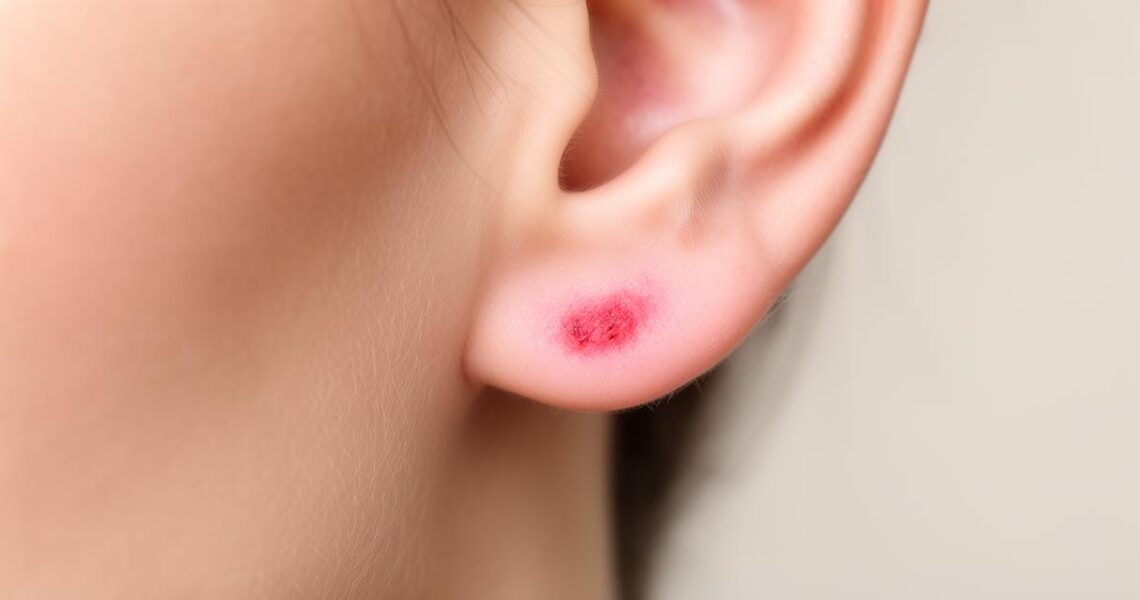
- Common symptoms of an earring allergy include persistent itching, red rashes, dry or peeling skin, and in severe cases, painful blisters.
- Individuals can develop metal sensitivities over time, meaning even previously tolerated earrings may eventually trigger a reaction.
- Identifying the material composition of jewellery is a crucial step for preventing allergic flare-ups and protecting skin health.
- Prompt removal of offending earrings and recognizing early symptoms are essential strategies for managing reactions and avoiding long-term skin damage.
Understanding Metal Sensitivities: Common Triggers and Allergens in Jewellery
Metal sensitivities are widespread, affecting a significant portion of the population to varying degrees. These reactions occur when the immune system mistakenly identifies certain metals as harmful, leading to inflammation and irritation of the skin. While some people may never experience any problems, others discover that even brief contact with particular metals can cause noticeable symptoms. The prevalence of these allergies means that anyone purchasing or wearing earrings should be aware of the materials involved, especially if they have previously experienced skin sensitivities with other items such as watches, belt buckles, or clothing fasteners.
Nickel: the primary culprit behind earring allergies
Among the various metals used in jewellery, nickel stands out as the most common cause of allergic reactions. This metal is frequently included in low-cost earrings because it is inexpensive and easy to work with during manufacturing. However, nickel is notorious for its ability to provoke contact dermatitis, a condition characterised by red, itchy, and inflamed skin. When nickel comes into direct contact with the skin, it can penetrate the outer layer and trigger an immune response, leading to discomfort that can last for days or even weeks if exposure continues. Many people develop nickel sensitivity over time, meaning that someone who has worn nickel-containing earrings without issue in the past may suddenly find themselves reacting negatively. This delayed onset can make it challenging to pinpoint the exact cause of the irritation, as individuals may not immediately associate their symptoms with a specific pair of earrings. Recognising that nickel is a frequent offender is the first step towards avoiding future discomfort and selecting safer alternatives.
Other metals that may provoke allergic reactions
While nickel is the most well-known trigger, it is not the only metal capable of causing allergic reactions. Cobalt is another element that can lead to similar symptoms, particularly in individuals who are already sensitive to nickel. Cobalt is sometimes used in metal alloys and can be found in certain types of jewellery, making it a less obvious but equally troublesome allergen. Additionally, some people experience reactions to copper, which is occasionally mixed with other metals to create different colours and finishes in earrings. Even metals that are generally considered safe, such as certain grades of stainless steel, can cause problems if they contain trace amounts of nickel or other irritants. It is important to be aware that allergic reactions are not limited to cheap or poorly made jewellery. Even higher-end pieces can contain alloys that include problematic metals, so understanding the composition of earrings is crucial for anyone prone to sensitivities. By being vigilant about the materials used in jewellery, individuals can make informed choices that protect their skin and allow them to enjoy wearing earrings without concern.
Recognising the Signs: Symptoms of Earring Allergies and When to Seek Help
Identifying the symptoms of an earring allergy is essential for addressing the problem promptly and preventing further irritation. The signs can vary in severity, ranging from mild discomfort to more pronounced reactions that interfere with daily activities. Being able to recognise these symptoms early on allows individuals to take appropriate action, whether that means removing the offending earrings, applying home remedies, or seeking professional advice. Awareness of what to look for can make a significant difference in managing the condition effectively and avoiding long-term skin damage.
Identifying skin reactions: itching, rashes, and eczema
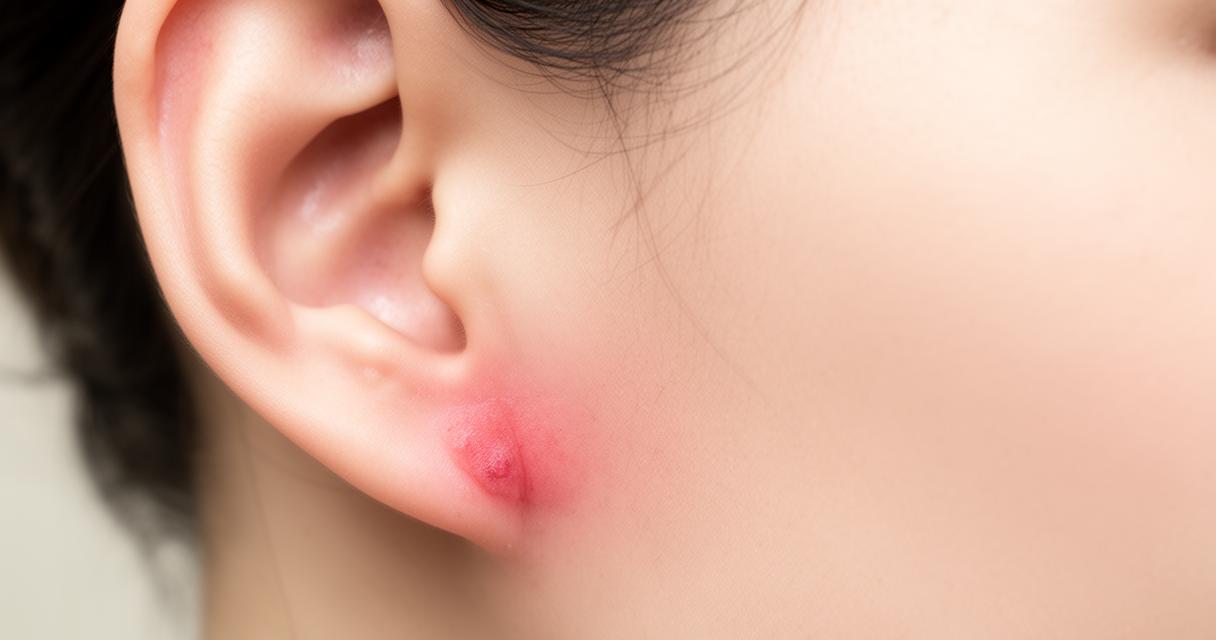
The most common symptom of an earring allergy is persistent itching around the ear area. This sensation can be mild at first but often intensifies if the earrings remain in place. Alongside itching, many people notice the development of a rash, which may appear as red, inflamed patches of skin on the earlobe or surrounding areas. In some cases, the skin becomes dry, flaky, or begins to peel, resembling the symptoms of eczema. Blisters may also form, particularly if the reaction is severe or if the individual has been exposed to the allergen for an extended period. These blisters can be painful and may ooze or crust over as they heal. It is not uncommon for the irritation to spread beyond the immediate area of contact, affecting the skin on the neck or face if the allergen has been transferred through touching. The severity of these symptoms often depends on the length of exposure and the individual's level of sensitivity. Some people experience only minor discomfort that subsides quickly after removing the earrings, while others endure more pronounced reactions that require additional care. Recognising these signs early and removing the triggering earrings can prevent the condition from worsening and allow the skin to begin healing.
Persistent Symptoms and the Importance of Professional Consultation
While many cases of earring allergies can be managed at home, there are situations where professional consultation becomes necessary. If symptoms persist despite removing the earrings and applying basic home remedies, it is important to seek advice from a healthcare provider. Persistent itching, rashes, or eczema that does not improve after several days may indicate a more severe allergic reaction or an underlying skin condition that requires targeted treatment. Additionally, if the affected area becomes infected, as evidenced by increased redness, warmth, swelling, or the presence of pus, medical attention should be sought promptly to prevent complications. A healthcare professional can conduct tests to determine the specific allergen responsible for the reaction, which is particularly useful for individuals who are unsure which metal is causing their symptoms. Patch testing, a common diagnostic tool, involves applying small amounts of various metals to the skin to observe any reactions. This information can guide future jewellery choices and help individuals avoid problematic materials. Consulting a professional also provides access to prescription treatments, such as topical corticosteroids, that can reduce inflammation and promote healing more effectively than over-the-counter options. Taking the step to seek help ensures that the condition is managed appropriately and reduces the risk of long-term skin damage or recurring issues.
Preventing and Managing Earring Allergies: Practical Solutions and Material Choices
Preventing earring allergies involves a combination of careful material selection and mindful wearing habits. By choosing hypoallergenic options and adopting practices that minimise irritation, individuals can significantly reduce the likelihood of experiencing allergic reactions. Understanding which materials are safe and how to care for earrings properly empowers people to enjoy wearing jewellery without the worry of discomfort or skin damage. These practical solutions are especially valuable for those with known sensitivities or a history of metal allergies.
Selecting hypoallergenic earrings: surgical steel, sterling silver, and gold options
One of the most effective ways to prevent earring allergies is to choose hypoallergenic materials. Surgical steel is a popular option because it is designed to be biocompatible and typically contains minimal amounts of nickel, making it less likely to cause reactions. This material is commonly used in medical implants and body piercings, which speaks to its safety and suitability for prolonged skin contact. Sterling silver is another excellent choice, provided it is genuine and not plated over a base metal that may contain allergens. Pure sterling silver consists of 92.5 per cent silver and 7.5 per cent other metals, usually copper, which is generally well-tolerated by most people. However, it is important to verify the quality and authenticity of sterling silver jewellery, as lower-quality pieces may include nickel or other irritants. Gold is also a safe option, particularly when it is of higher purity. 18-carat gold contains 75 per cent gold and 25 per cent other metals, which usually results in fewer allergic reactions compared to lower-carat gold that may have higher concentrations of nickel. For the most sensitive individuals, 24-carat gold, which is virtually pure, is the ideal choice, though it is softer and may not be as durable for everyday wear. Titanium and platinum are additional hypoallergenic alternatives that are highly resistant to corrosion and unlikely to provoke skin reactions. By investing in earrings made from these safer materials, individuals can enjoy wearing jewellery without the constant concern of triggering an allergic response.
Lifestyle adjustments: reducing irritation through mindful earring wear
Beyond selecting the right materials, certain lifestyle adjustments can further reduce the risk of irritation and allergic reactions. Avoiding excessive exposure to dangling or heavy earrings is one such measure, as these styles can cause additional friction and pressure on the earlobe, potentially exacerbating sensitivity. Regularly cleaning earrings to remove dirt, oils, and bacteria is also important, as buildup can contribute to skin irritation and infection. Using gentle, non-abrasive cleaning methods ensures that the jewellery remains safe for wear. Additionally, giving the ears a break from wearing earrings, especially during sleep or prolonged periods of wear, allows the skin to recover and reduces the cumulative exposure to any potential allergens. Rotating between different pairs of hypoallergenic earrings can also help minimise the risk of developing sensitivity to a particular material. Being mindful of when and how earrings are worn, combined with a careful selection of materials, creates a comprehensive approach to preventing and managing earring allergies. These adjustments not only protect the skin but also enhance the overall experience of wearing jewellery, allowing individuals to express their style with confidence and comfort.


You May Also Like
The Art of Selecting Timeless Handmade Jewelry Pieces for Every Occasion: What to Look for in Artisan Craftsmanship
Beginner’s DIY Jewellery Journey: Unlocking the Secrets of Seed Bead Craftsmanship