Our Tips for Choosing the Right Leather Bracelet: Safety Considerations for Sensitive Skin and Allergies
Choosing a leather bracelet is about more than simply picking a colour that matches your wardrobe. For many people, especially those with sensitive skin or a diagnosed nickel allergy, the decision involves careful thought about materials, fittings and finishings. Whether you're after a simple band or something more embellished, understanding what makes a bracelet both stylish and skin-friendly will save you from irritation and disappointment further down the line.
The essentials
- Vegetable-tanned leather is generally recommended for sensitive skin as it uses natural tannins rather than harsh chemical tanning agents.
- People with nickel allergies should verify that all bracelet hardware, such as clasps and studs, is made from hypoallergenic materials like titanium or surgical stainless steel.
- To ensure comfort, measure your wrist just below the bone and allow for a snug fit that is not overly tight.
- Selecting the right aesthetic depends on personal style, with options ranging from simple flat bands to textured designs like braided leather or suede.
- Regular cleaning of your bracelet is essential to remove sweat and oils, which helps prevent skin irritation and maintains the material's quality.
- Alternating between different bracelets prevents constant skin contact with the same materials, allowing both the leather and your skin to recover.
- When layering jewelry, ensure that all metal components are made of high-quality, non-reactive materials to avoid accidental exposure to nickel.
Understanding leather quality and skin sensitivity
Evaluating leather types for hypoallergenic properties
Not all leather is created equally, and this matters enormously if you're prone to skin reactions. Vegetable-tanned leather tends to be gentler on the skin than chemically treated alternatives, making it a popular choice amongst those seeking hypoallergenic jewellery. It's worth remembering that between ten and twenty per cent of people worldwide live with some form of nickel sensitivity, and women are roughly four times more likely than men to develop a nickel allergy. Since nickel remains the most common metal allergen around, any hardware fittings on your bracelet, such as clasps or studs, deserve just as much attention as the leather strap itself. Look for pieces that pair leather with sterling silver, titanium, or 316L surgical stainless steel, as these are widely recommended for sensitive skin and far less likely to trigger a reaction.
How tanning processes affect sensitive skin
The way leather is treated during production has a direct bearing on how your skin will respond to prolonged wear. Chemically tanned leather often retains traces of the substances used in processing, which can lead to irritation for those with reactive skin. Vegetable-tanned leather, by contrast, uses natural tannins and is generally considered a safer option. If you've ever noticed redness or itching after wearing a bracelet for several hours, it's worth checking whether the strap was treated using harsher industrial methods. First symptoms of a nickel allergy, for instance, typically appear somewhere between twelve and forty-eight hours after contact, so a delayed reaction doesn't necessarily mean the bracelet is blameless. Anti-allergy and vegan leather options are increasingly available and worth seeking out if you've had trouble in the past.
Selecting the Perfect Fit and Style for Your Wrist
Measuring your wrist size for optimal comfort
A bracelet that fits well should sit snugly without ever feeling restrictive, and getting the measurement right from the outset makes all the difference. Wrap a soft tape measure around your wrist just below the bone, and add a small allowance for comfort rather than opting for something overly tight. This is particularly important with leather, as it can stretch slightly with wear but won't offer the same flexibility as silicone or rubber. If you're purchasing a strap intended for a watch rather than a standalone bracelet, take note of the available widths, which typically range from sixteen millimetres and smaller up to twenty-six millimetres and wider, along with strap lengths suited to shorter, standard or extra long wrists.
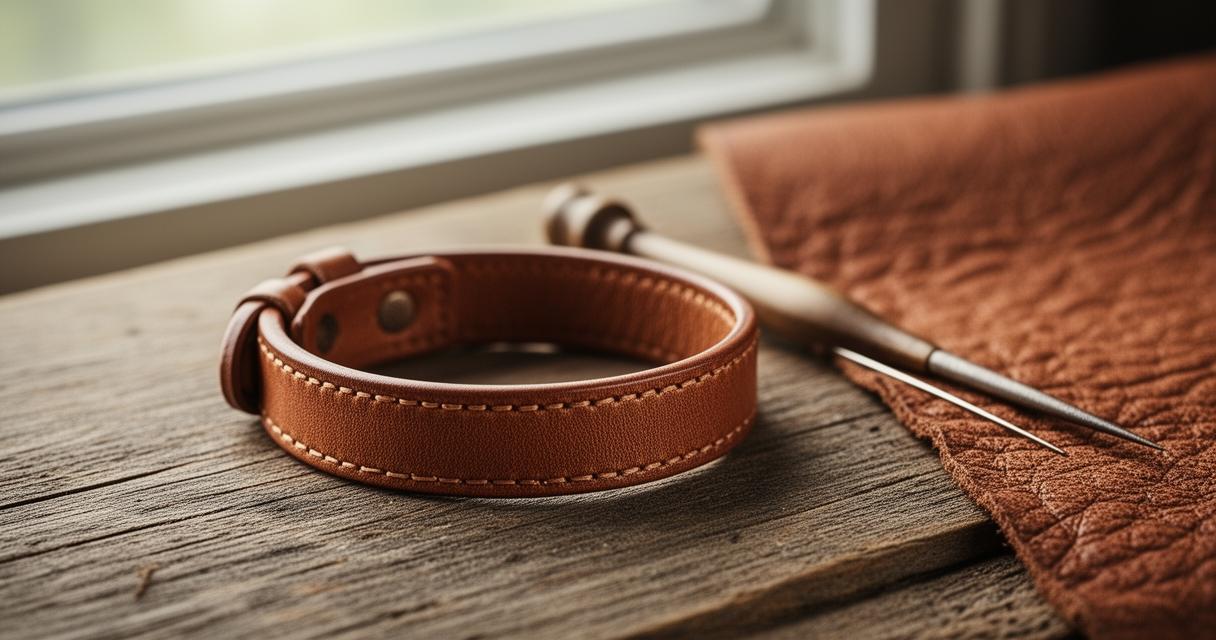
Choosing designs that complement your personal aesthetic
Once fit is sorted, style becomes the fun part. Braided leather offers a more textured, casual look, whilst simple flat bands lean towards understated elegance. Colour choice matters too, and neutral tones such as black, brown and tan remain the most versatile, pairing easily with existing jewellery and outfits alike. For those wanting a bit more character, finishes inspired by alligator, crocodile or suede add visual interest without straying from classic leather craftsmanship. Mixing materials, perhaps combining leather with rubber or silicone accents, can also lend a distinctive, modern touch. Many people find it useful to own a small handful of different styles so they can switch things up depending on the occasion, and leather bracelets pair particularly well with watches from brands such as Tissot, Tag Heuer and Panerai, creating a cohesive, considered look across your wrist.
Caring for Your Leather Bracelet to Minimise Allergic Reactions
Proper Maintenance and Cleaning Techniques for Longevity
Looking after your leather bracelet properly isn't just about keeping it looking smart, it genuinely helps prevent skin irritation over time. Regular cleaning removes sweat, oils and everyday grime that can build up against the skin and potentially cause reactions, particularly for those with sensitive skin. Keep your bracelet dry wherever possible, avoid excessive moisture, and store it away from direct sunlight when not in use. Applying skincare products before putting on jewellery, rather than after, also reduces the chance of chemical residue interacting with the leather. Alternating between a few different bracelets, rather than wearing the same one continuously, allows both your skin and the leather itself a chance to recover, extending its lifespan considerably.
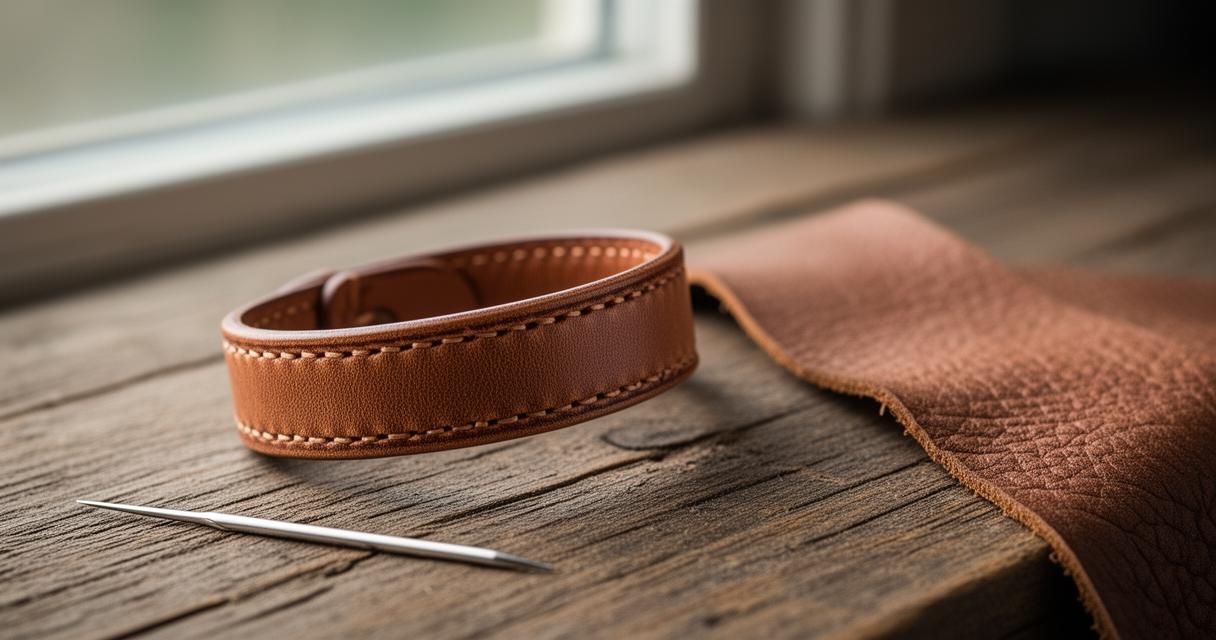
Pairing leather bracelets with other accessories safely
When layering your leather bracelet alongside other jewellery, it's sensible to check that any nearby metal pieces, such as rings or watch straps, are made from tarnish-free materials like gold-plated stainless steel or solid gold of fourteen carats or higher. This reduces the likelihood of nickel transferring onto the skin through contact with the leather strap. Many retailers now offer compatible fittings for popular brands, including Cartier, IWC and Breitling, alongside smartwatch options for Apple, Fitbit and Garmin, making it easier to find a safe, well-matched combination. Should you order online, most reputable sellers provide tracked delivery, often via Royal Mail first class, along with a straightforward return policy should the fit or finish not be quite right. Many also offer free shipping once your order passes a certain threshold, alongside secure checkout and reliable customer service, so you can shop with confidence.