Ultimate Guide to Ear Piercings – Where to Go in the UK: Everything About Names, Healing, Pain, Prices & Jewellery
Ear piercings have become one of the most popular ways to express personal style, with more people than ever mixing and matching different placements to create a look that feels entirely their own. Whether you fancy a simple lobe piercing or you're tempted by something a bit more daring like a daith or industrial, understanding what each style involves can help you make a confident choice. This guide walks through the main types of ear piercings available in the UK, what to expect in terms of pain and healing, and how to look after your new jewellery so it heals beautifully.
What to know
- Ear piercings offer a diverse range of styles, from simple lobe placements to more complex cartilage options like the daith, tragus, and conch.
- Pain levels vary significantly by location, with lobe piercings generally being the least painful and cartilage piercings like the industrial or rook presenting higher discomfort.
- Healing times differ greatly between piercing types, requiring six to eight weeks for lobes and up to a full year for cartilage arrangements.
- Professional piercers recommend high-quality, hypoallergenic materials like surgical steel and titanium to minimize irritation and promote successful healing.
- Proper aftercare, including the use of saline solutions and avoiding contact or pressure on the fresh piercing, is essential to prevent infections and complications.
- Current trends reflect a shift toward minimalist aesthetics, focusing on fewer but higher-quality pieces to create a curated and personalized look.
Types of Ear Piercings and Their Unique Characteristics
Popular ear piercing styles: from lobe to daith
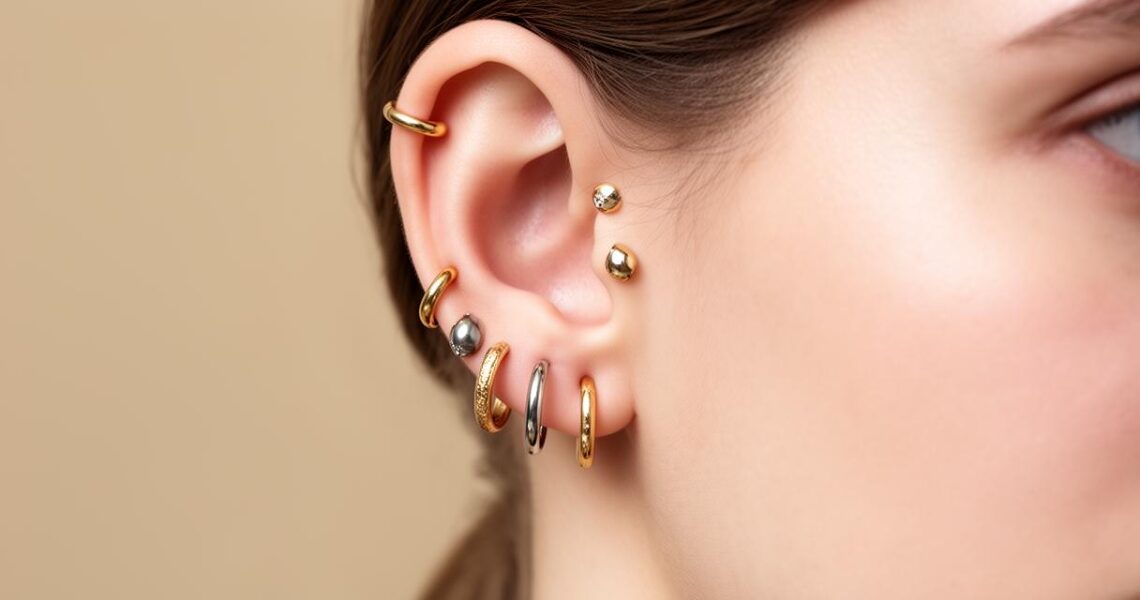
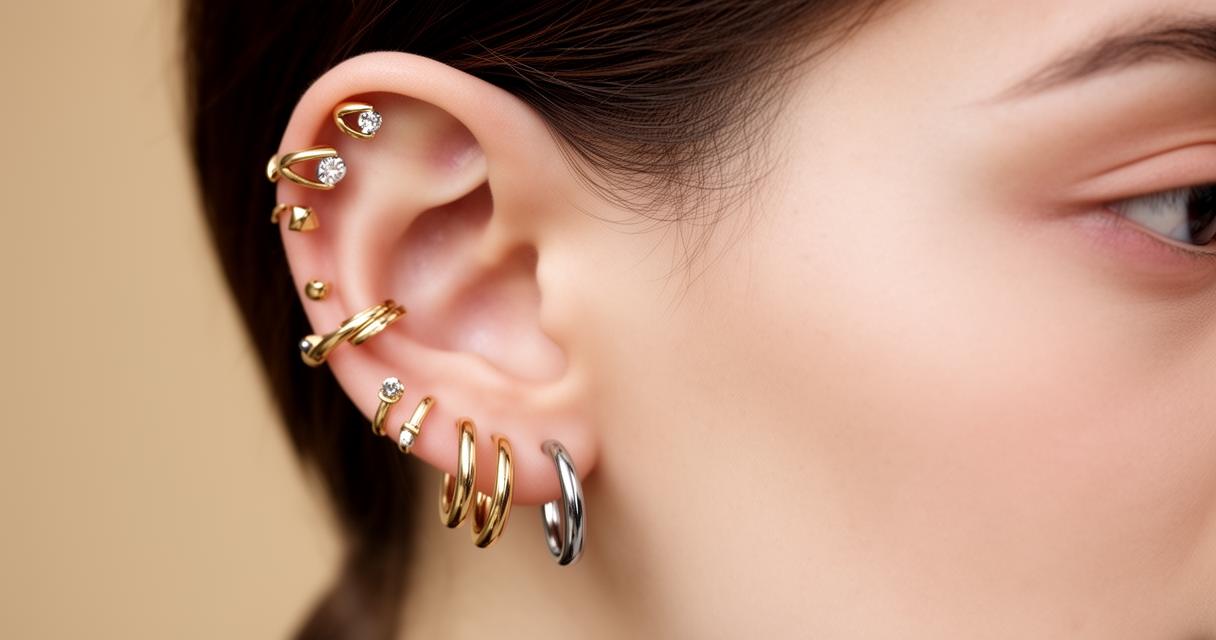
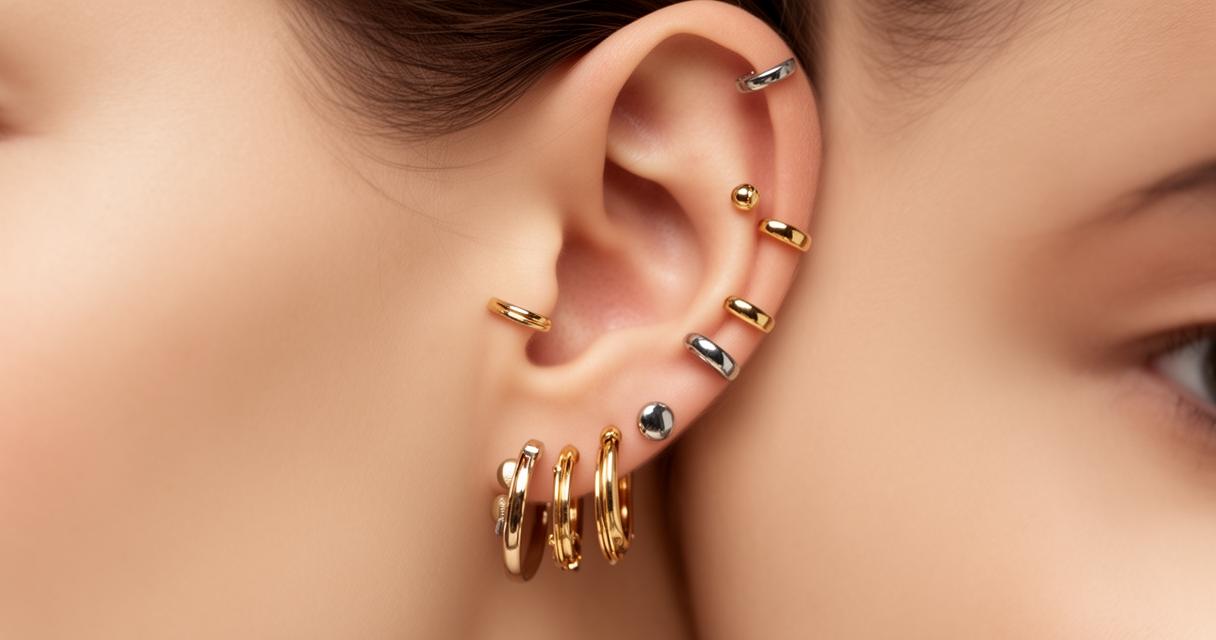
The humble lobe piercing remains the most common starting point for anyone new to piercings, and it's easy to see why. It's quick, relatively straightforward, and forms the foundation for the increasingly popular trend of jewellery stacking, where several studs and hoops are layered up the ear for a curated, personalised look. Beyond the lobe, there's a whole world of placements to explore, including the trendy daith piercing that sits within the ear's innermost fold, and the septum, which has crossed over from nose piercing territory into broader body art conversations. Studios across the UK, including places like Vivid Ink Tattoos with its thirteen studios nationwide, report that clients are increasingly drawn to combinations such as a stacked lobe paired with a high lobe and mid-helix arrangement, creating a curated gallery effect along the ear.
Understanding the Differences Between Helix, Tragus, Conch, Rook, and Flat Piercings
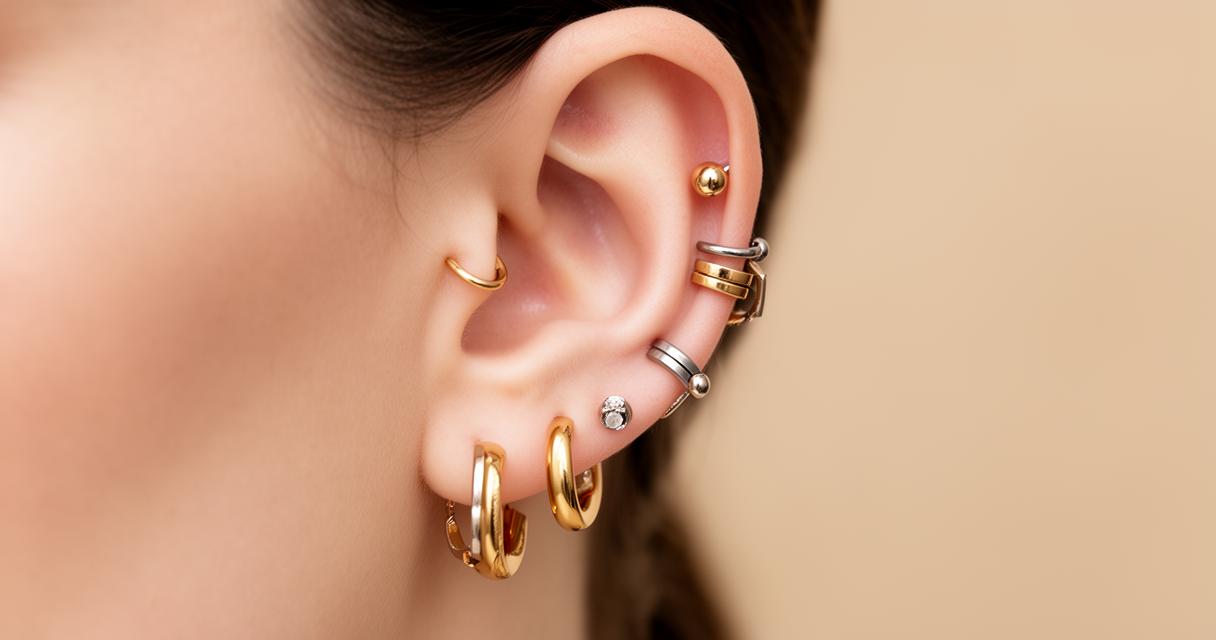
Moving further up the ear, things get a little more intricate. The helix piercing sits along the upper cartilage rim and is a favourite for those wanting a subtle but stylish addition. The tragus, that small flap of cartilage just in front of the ear canal, offers a distinctive placement that works well with tiny studs or hoops. The conch, named after its resemblance to a conch shell, has surged in popularity recently and can accommodate anything from a simple stud to a statement hoop that wraps around the ear's centre. Meanwhile, the rook sits in the ridge above the daith and tends to be less commonly chosen, largely because of its trickier healing process. Flat piercings, positioned on the flatter cartilage area near the upper ear, have also found favour among those wanting something a touch more unconventional. With over twenty-five types of piercings on offer at specialist studios and more than fifteen expert piercers on hand to guide clients, there's plenty of scope to find a placement that suits your ear shape and personal aesthetic, particularly with 2025 trends leaning towards minimalist designs and a preference for fewer, higher-quality pieces rather than an abundance of cheaper jewellery.
Pain Levels and Healing Times: What to Expect
Which Ear Piercings Hurt the Most and Which Are the Least Painful?
Pain tolerance is deeply personal, but there are general patterns worth knowing before you book an appointment. Earlobe piercings are widely regarded as the least painful, typically rating somewhere between one and three out of ten, making them an ideal entry point for first-timers. Cartilage piercings tend to be a different story altogether. The daith and rook, both nestled in tougher cartilage, often sit at seven or eight out of ten on the discomfort scale, while the industrial piercing, which involves two holes connected by a single bar, can feel especially intense and sometimes reaches nine or ten out of ten. It's worth having an honest conversation with your piercer beforehand about your pain threshold, as this can help them adjust their technique and put you at ease throughout the process.
Healing Processes Explained: Duration and Tips for Each Piercing Type
Healing time varies enormously depending on where the piercing sits. A straightforward lobe piercing usually heals within six to eight weeks, making it a fairly low-commitment choice. Cartilage piercings, on the other hand, demand far more patience, often taking anywhere from six months to a full year to heal completely. During this time, it's essential to avoid unnecessary touching, sleeping on the affected side, or letting hair products and cosmetics come into contact with the area. Choosing breathable clothing and being mindful of anything that might catch or snag the jewellery can make a real difference in preventing irritation or accidental trauma while the piercing settles.
Choosing the Right Jewellery and Ensuring Proper Aftercare
Best Materials for Ear Jewellery: Surgical Steel, Titanium, and Hypoallergenic Options
The material of your jewellery plays a huge role in how smoothly your piercing heals. Surgical steel and titanium remain the gold standard within professional piercing circles, prized for being hypoallergenic and far less likely to cause irritation than cheaper alloys. Many studios are also embracing sustainable materials and mixed metals, alongside a growing appetite for colourful gemstones that add a personal flourish without compromising safety. Professional piercers consistently recommend investing in quality pieces from the outset, since swapping to lower-grade jewellery too soon can disrupt healing and lead to unwanted complications. Some UK studios also offer flexible payment options, including Klarna, making it easier to invest in that higher-quality piece without the financial strain arriving all at once.
Aftercare Essentials: Saline Solutions and Practices to Promote Healthy Healing
Aftercare might not be the most glamorous part of getting pierced, but it's arguably the most important. A gentle saline solution, used regularly to clean the area, helps ward off infection and supports the skin as it heals. It's best to avoid twisting or rotating the jewellery unnecessarily, and swimming pools or hot tubs should be avoided until the piercing has properly settled. Many reputable studios place a strong emphasis on client education, offering consultations where experienced piercers talk through personalised aftercare advice based on your specific placement and lifestyle. Thousands of clients across the UK report feeling far more confident in their healing journey when they've had that initial guidance, and it's this kind of attentive, informed approach that tends to separate a good piercing experience from a truly great one.
- Clean gently with saline solution twice daily
- Avoid touching the piercing with unwashed hands
- Steer clear of swimming pools during the healing period
- Choose breathable fabrics to reduce irritation
Ultimately, whether you're after a delicate single lobe piercing or planning an elaborate stacked arrangement across your entire ear, taking the time to research placements, understand pain levels, and commit to proper aftercare will set you up for a far smoother experience. With so many skilled studios and professional piercers across the UK ready to offer tailored advice, there's never been a better time to explore the possibilities and find a piercing style that truly reflects who you are.