How to Maximize Profits When Selling Jewelry for Precious Metals
When precious metal prices climb, jewellers and trade professionals suddenly find themselves sitting on more valuable stock than they realised. Turning that potential into actual profit, however, requires more than luck. It demands a clear strategy around pricing, sourcing, branding, and customer relationships. This article explores the practical steps that can help you make the most of every transaction, whether you're running a small workshop or managing a well-established jewellery business.
At a glance
- Jewelers should monitor daily precious metal market fluctuations to time their sales effectively and optimize cash flow.
- Regularly reclaiming workshop waste, such as polishing dust and filings, can significantly improve overall business margins.
- Establishing relationships with reputable suppliers and performing assay testing are essential for ensuring material authenticity and avoiding costly disputes.
- Building brand trust through visible certifications and authentic customer testimonials is crucial for attracting clients in the precious metal trade.
- Creating bespoke, personalized jewelry allows businesses to charge premium prices by focusing on craftsmanship and unique storytelling.
- Leveraging social media and digital platforms is vital for increasing brand visibility and engaging directly with potential customers.
- Directly selling to refineries rather than using middlemen often yields higher profitability and clearer communication for business owners.
Understanding market value and pricing strategies
Getting your pricing right starts with a genuine understanding of where the market stands. Precious metals don't sit still in value, and those who track movements closely tend to make far better decisions about when to buy, sell, or hold.
Monitoring daily precious metal rates
Gold prices have recently pushed past two thousand five hundred and seventy pounds per ounce, a level that presents a genuine opportunity for anyone looking to maximise returns and strengthen cash flow. Keeping a close eye on these daily fluctuations means you're never caught off guard. The precious metals market is cyclical by nature, so prices that peak today may well soften tomorrow. Recognising this pattern helps you time your sale jewelry transactions rather than reacting impulsively to short-term movements.
Calculating fair margins whilst remaining competitive
Setting a margin that keeps your business profitable without pricing yourself out of the market is a delicate balance. It helps to review your stock regularly, along with any workshop waste that might be sitting unnoticed, since polishing dust and filings often contain valuable metals worth reclaiming. Building this review into your routine supports both sustainability and healthier cash flow optimisation across your operations.
Sourcing premium materials for maximum returns
The quality of what you sell is only as good as where it came from. Reliable sourcing isn't just about ethics, it's about protecting your reputation and your bottom line.
Establishing reliable supplier relationships
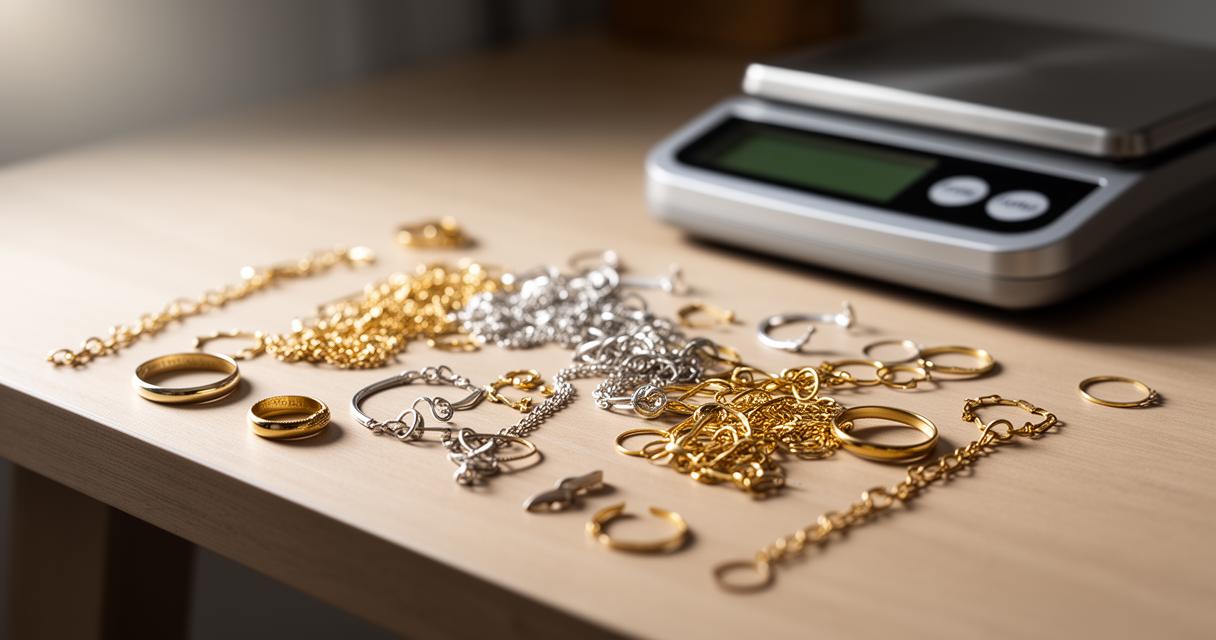
Working with dependable suppliers, whether for gemstones or raw metal, means fewer surprises down the line. Some buyers, for instance, purchase silver up to two hundred ounces but won't accept filled material, so understanding these boundaries from the outset saves time and avoids wasted negotiations. Knives and similar scrap metal selling items are sometimes accepted too, which shows how varied the intake criteria can be depending on who you're dealing with.
Authenticating gemstones and metals before purchase
Assay testing remains one of the most trusted ways to confirm purity before any money changes hands. This step protects both buyer and seller, ensuring that what's being traded matches what's been promised. It's a small investment of time that prevents costly disputes later.
Building trust through brand reputation
Reputation in this trade is everything. Buyers and sellers alike gravitate towards names they recognise and trust, especially when large sums are involved.
Showcasing certifications and credentials
Manhattan Gold & Silver has built its standing on forty years of experience in precious metals recycling, a track record that speaks louder than any marketing slogan. Displaying credentials, certifications, and years of operation gives potential clients confidence that they're dealing with a serious, established business rather than a fly-by-night operation.
Encouraging customer reviews and testimonials
Word of mouth still carries enormous weight. Encouraging satisfied clients to leave reviews, whether they've sold broken silverware, outdated jewellery, coins, or estate jewellery, helps build a public record of trustworthiness that new customers can lean on when making their own decisions.
Creating bespoke pieces that command higher prices
Mass-produced jewellery rarely commands premium prices. Bespoke work, on the other hand, taps into a customer's desire for something truly their own.
Offering personalised design consultations
Sitting down with a client to discuss their vision transforms a simple purchase into a meaningful experience. This personal touch often justifies a higher price point, since customers are paying not just for materials but for the process and attention behind the piece.

Highlighting craftsmanship and unique features
Fine detail work, unusual settings, or the use of reclaimed metals can all become selling points. Framing these features as part of the story behind the piece adds perceived value that goes well beyond the raw cost of gold or silver.
Implementing effective marketing techniques
Even the finest craftsmanship needs visibility. Without a solid marketing approach, brilliant work can go unnoticed.
Leveraging social media and digital platforms
Instagram, Pinterest, and similar platforms have become essential showrooms for jewellery businesses. Regular posting, behind-the-scenes content, and direct engagement with followers all help keep a brand top of mind when customers are ready to buy or sell.
Developing compelling visual content and storytelling
Photographs alone rarely tell the full story. Pairing images with a narrative about the piece's origin, craftsmanship, or the metal's journey through the metal refining process gives customers a reason to feel emotionally connected to what they're purchasing.
Delivering exceptional customer service
Good service turns one-time buyers into loyal, repeat customers who refer others without being asked.

Providing expert guidance throughout the buying process
Customers appreciate clear, honest guidance, particularly when they're unfamiliar with concepts like refinery services or how payout methods work. Explaining these steps patiently builds confidence and reduces the chance of confusion or dissatisfaction later.
Maintaining clear communication and after-sales support
Direct selling to a refinery tends to be more profitable than going through a middleman, largely because it improves reliability, reduces costs, and streamlines communication. The refining process itself typically includes an assay for purity, a payout quote, melting, and often the option for in-person observation, with payment arriving via wire transfer or cheque once everything is finalised. Keeping clients informed at each stage of this journey reinforces trust in your business.
Keeping abreast of industry developments
The jewellery trade doesn't stand still, and neither should the businesses operating within it.
Following jewellery trade publications and forecasts
Staying informed about market conditions, industry forecasts, and shifts within the precious metals market allows businesses to anticipate changes rather than simply react to them. This is particularly relevant for industries such as pharmaceutical, chemical, green energy, electroplating, petroleum and petrochemical, advanced manufacturing, and metal reclamation, all of which intersect with precious metals recycling in surprising ways.
Adapting to Emerging Consumer Preferences and Sustainability Trends
Sustainability has become more than a buzzword; it's now a genuine purchasing consideration for many customers. Regularly reclaiming workshop waste and converting unsold jewellery into cash to reinvest in new collections reflects a broader shift towards responsible resource use. Businesses such as Mastermelt offer a straightforward route for processing these materials, giving jewellers a practical way to align profitability with environmental responsibility while keeping their operations lean and forward-thinking.